AI Receptionists: How Businesses Can Stop Missing Calls and Capture More Leads
For many businesses, the first interaction with a potential customer happens over the phone. A customer may be calling to book an appointment, ask about a service, check availability, request a quotation, or simply learn more about a business. But when that call goes unanswered, the opportunity can
, 8 min read
For many businesses, the first interaction with a potential customer happens over the phone.
A customer may be calling to book an appointment, ask about a service, check availability, request a quotation, or simply learn more about a business. But when that call goes unanswered, the opportunity can disappear within minutes.
This is one of the problems that artificial intelligence is beginning to address.
AI receptionists are emerging as a practical way for businesses to manage incoming calls, respond to customers, handle routine conversations, and capture potential leads without relying entirely on a traditional front-desk team.
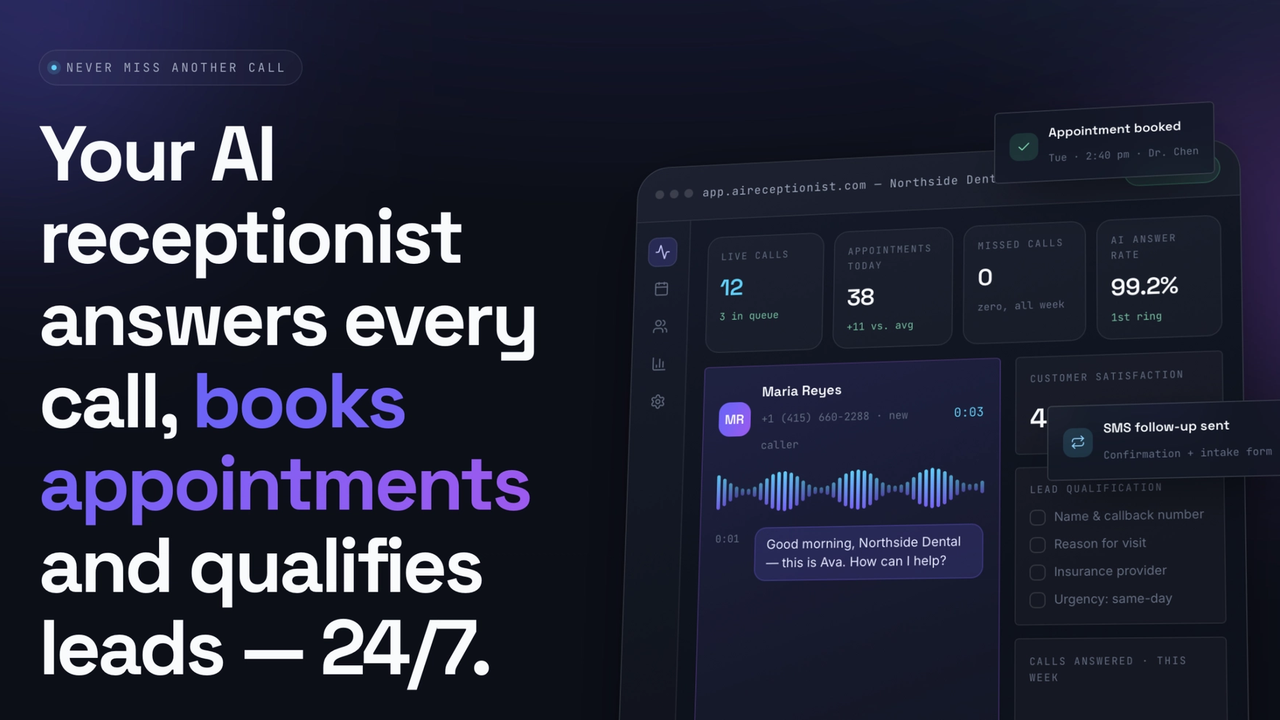
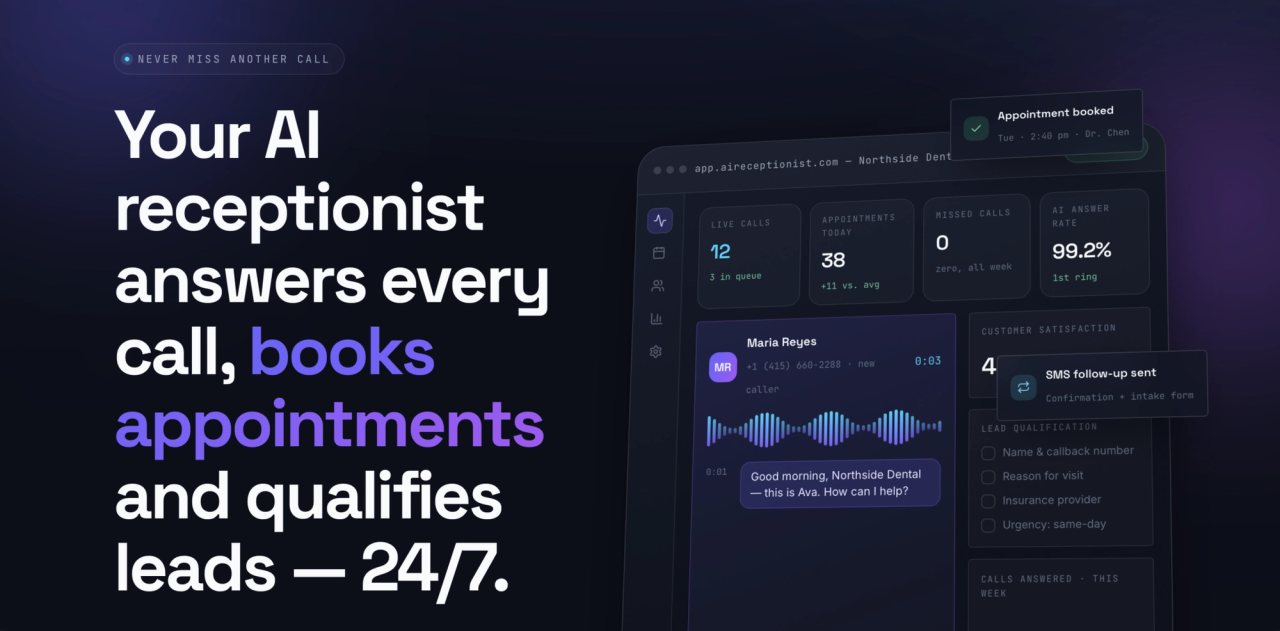
One example is Koili, an AI receptionist platform designed to help businesses handle calls automatically. According to its website, Koili can answer calls, book appointments, qualify leads, and update a CRM around the clock.
The Hidden Cost of Missed Business Calls
A missed call may seem insignificant, particularly when employees are busy. But for a customer who is ready to make an inquiry, there may be little reason to call again.
Consider a customer searching for a dental clinic. They call one clinic and nobody answers. They then call another clinic that responds immediately and helps them schedule an appointment.
The second business has a much better chance of converting that customer.
The same situation can happen in almost any industry.
A beauty clinic may miss a customer looking for a treatment consultation. A real estate company may miss someone interested in a property. A home-service company may miss a customer who needs urgent assistance. A restaurant may miss a reservation inquiry.
As businesses receive more calls, maintaining fast and consistent responses becomes increasingly difficult.
What Is an AI Receptionist?
An AI receptionist is a software-based assistant that uses artificial intelligence to communicate with customers over the phone.
Instead of simply sending callers to voicemail, an AI receptionist can be designed to interact with callers, understand their requests, provide relevant information, and take appropriate actions.
Depending on the business and its setup, this can include tasks such as:
- Answering incoming calls
- Responding to frequently asked questions
- Collecting customer information
- Qualifying potential leads
- Booking appointments
- Handling basic inquiries
- Routing conversations when human assistance is required
- Recording information for follow-up
- Updating customer or CRM records
The goal isn’t necessarily to replace human employees.
Instead, AI can take care of repetitive and routine interactions while human staff focus on conversations that require judgment, expertise, or personal attention.
Why Businesses Are Exploring AI Receptionists
1. Customers Can Get a Faster Response
People increasingly expect businesses to respond quickly.
When someone calls a company, they usually want an answer now—not several hours later.
An AI receptionist can provide an immediate response to incoming calls, helping businesses reduce the number of customers who are left waiting.
2. Businesses Can Handle Calls Outside Normal Hours
Customers don’t always contact businesses during convenient working hours.
Someone may want to schedule an appointment late at night, ask about a service early in the morning, or make an inquiry during a weekend.
A 24/7 AI receptionist can provide an additional communication channel beyond the traditional working schedule.
3. Employees Can Spend Less Time on Repetitive Questions
Many businesses receive the same questions repeatedly.
What are your opening hours?
How much does a service cost?
Do you have appointments available?
Where are you located?
What services do you provide?
When an AI receptionist handles routine questions, employees can spend more time on tasks that require their direct involvement.
4. Leads Can Be Captured More Consistently
A phone call can represent a valuable sales opportunity.
If a potential customer calls and their information is never captured, the business may have no practical way to follow up.
AI-powered call handling can help businesses collect relevant information and qualify inquiries before passing them into their sales or customer-management workflow.
This is particularly useful for businesses where every incoming call could become a customer.
How Koili Fits Into the AI Receptionist Trend
As businesses look for ways to automate customer communication, platforms such as Koili are bringing AI-powered reception capabilities into the business phone experience.
Koili describes its platform as an AI receptionist that can answer calls on the first ring, book appointments, qualify leads, and update a CRM 24/7.
The idea is straightforward: instead of allowing unanswered calls to become missed opportunities, businesses can use an AI-powered system to respond to callers and handle appropriate tasks automatically.
For businesses that depend heavily on phone inquiries, this can create an additional layer between marketing and sales.
A customer sees an advertisement, visits a website, finds a phone number, and calls. Instead of reaching an unanswered line, the customer can interact with an AI receptionist that can help move the inquiry forward.
That connection between customer acquisition and customer response is one of the most interesting applications of AI in modern business.
Who Can Benefit From an AI Receptionist?
AI receptionists can be particularly useful for businesses that receive a high volume of calls or depend on appointments and inquiries.
Healthcare and Dental Clinics
Clinics frequently receive calls for appointments, doctor availability, treatment inquiries, opening hours, and follow-ups.
An AI receptionist can help manage routine inquiries while allowing reception staff to focus on patients physically present at the clinic.
Beauty and Wellness Businesses
Salons, aesthetic clinics, spas, and wellness businesses often rely on appointments.
Handling appointment-related calls automatically can help reduce the workload on front-desk teams.
Real Estate Businesses
Real estate companies can receive inquiries from prospective buyers and renters at different times of the day.
An AI receptionist can help collect basic information about the caller and their requirements, allowing sales teams to prioritize promising leads.
Home-Service Companies
Plumbing, electrical, maintenance, cleaning, repair, and other service businesses often depend on incoming calls.
When employees are working at customer locations, answering every new call can be difficult. An AI receptionist can provide a way to maintain communication while the team is busy.
Restaurants and Hospitality
Restaurants and hospitality businesses receive calls about reservations, availability, operating hours, locations, and other routine questions.
Automating some of these conversations can reduce pressure on employees during busy periods.
AI Doesn’t Have to Mean Less Human Interaction
One common misconception about AI automation is that it means removing humans from customer service.
In reality, the most useful approach may be to divide responsibilities.
AI can handle repetitive, predictable, and information-based interactions.
Humans can handle complex requests, sensitive conversations, negotiations, complaints, and situations where personal expertise is important.
This creates a hybrid customer-service model where technology handles volume while people handle complexity.
What Businesses Should Consider Before Choosing an AI Receptionist
Not every AI receptionist will be suitable for every business.
Companies should consider several factors before adopting one.
Call Quality
The system needs to provide a natural and reliable calling experience. Customers should be able to understand the AI and communicate without unnecessary friction.
Business-Specific Knowledge
An AI receptionist should be configured around the company’s actual services, policies, frequently asked questions, and workflows.
Appointment and CRM Integration
For appointment-driven and sales-focused businesses, integration with existing systems can be particularly important.
Human Handoff
There will always be situations where a customer needs to speak with a person. Businesses should have a clear process for transferring or escalating those calls.
Data and Privacy
Because phone conversations can involve customer information, businesses should also understand how call data is stored, processed, and protected.
The Future of Business Phone Communication
The traditional receptionist isn’t disappearing simply because AI exists.
Instead, the role of business communication is changing.
For years, businesses have relied on receptionists and customer-service teams to answer calls, schedule appointments, collect information, and direct customers to the right person.
AI now provides another way to perform many of those repetitive tasks.
Platforms such as Koili represent this shift toward AI-assisted customer communication, where businesses can use technology to respond to calls continuously and connect incoming inquiries with their existing workflows.
The biggest opportunity may not be about replacing people. It may be about making sure that businesses have the capacity to respond when customers are ready to talk.
Final Thoughts
A missed call can be more than just a missed conversation. For many businesses, it can mean a missed appointment, missed lead, or missed sale.
AI receptionists offer businesses a way to respond more consistently, handle routine inquiries, capture potential leads, and extend their availability beyond traditional working hours.
As AI becomes increasingly integrated into everyday business operations, tools like Koili are helping demonstrate how customer communication can evolve from a traditional phone system into a more automated and connected experience.
For businesses that depend on phone calls to generate appointments, inquiries, and sales, the question may no longer be whether they can afford to automate their calls—but how many opportunities they are currently losing by not doing so.

